
Innovative methods of using aluminum profiles in construction
Aluminum profiles are widely used in construction today due to their many advantages. This material is durable, light and versatile.
For a long time, aluminum was used primarily in light industry, aviation and automobile production. However, with the development of technology, it has become increasingly used in construction. Aluminum profiles have found their application in many areas: window frames, facades, roofs and even in the structures of small houses.
In this article, we will look at some innovative methods of using aluminum profiles in construction and learn how they can improve the quality and durability of building structures.
Advantages of aluminum profiles in construction
Before moving on to considering innovative methods of using aluminum profiles, let's look at the main advantages of this material in construction:
- Strength and lightness. Aluminum has excellent strength with low weight, making it an ideal material for structures where lightness and strength are important at the same time.
- Frost resistance and corrosion resistance. Aluminum is not affected by the environment, which guarantees a long service life of structures made from it.
- Fire resistance. Aluminum profiles do not support combustion and do not emit harmful substances in the event of a fire, which makes them safe for use in construction.
- Aesthetic appearance. Aluminum has a modern and elegant appearance, which makes building structures made from it attractive and stylish.
Thanks to these advantages, aluminum profiles have become a widely used material in construction.
Innovative methods of using aluminum profiles
1. Aluminum profiles for window frames. Windows made from aluminum profiles have a number of advantages compared to traditional wooden or plastic windows:
- Strength and durability. Aluminum window frames are not subject to corrosion and can last for decades without changing their properties.
- Easy to care for. Aluminum does not require special care and is easy to clean.
- Wide choice of colors and finishes. Aluminum profiles can be painted in different colors and have different finishing coatings, allowing you to adapt the windows to any style of building.

2. Aluminum facades. Aluminum profiles are used in the construction of building facades:
- Monolithic facades. Aluminum profiles allow you to create modern and elegant facades with minimal joints and connections.
- Ventilated facades. Aluminum profiles make it possible to create ventilated façade systems that provide good thermal insulation and protection from moisture.
3. Roofs made of aluminum profiles. Aluminum profiles can be used in roof construction:
- Roofs with solar panels. Aluminum profiles make it possible to create structures for mounting solar panels on roofs, which allows the use of solar energy to generate electricity.
- Green roofs. Aluminum profiles can be used in green roofs to create structures to retain and protect soil and plants.
These are just some of the innovative methods of using aluminum profiles in construction. This material is constantly evolving, and new methods and technologies for using aluminum profiles appear every year.
Aluminum profiles: production process
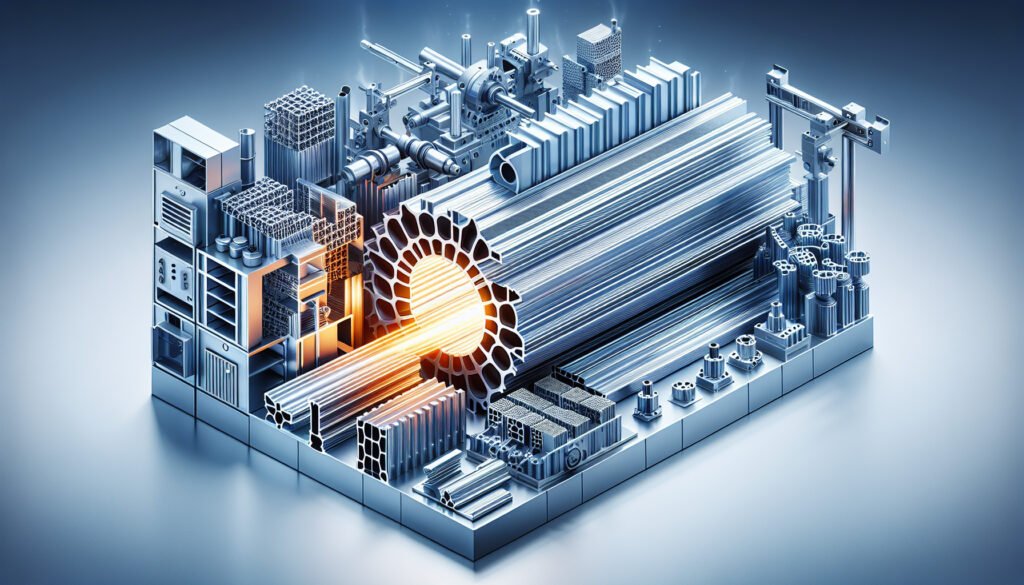
Aluminum profiles are produced by the extrusion method, which allows you to create profiles from aluminum in various shapes and sizes.
The extrusion process makes it possible to create profiles with high precision and complex geometric shapes. Aluminum dies need to be heated to a certain temperature, after which an aluminum ingot is passed through a special press. Under pressure, aluminum flows through the hole in the die and takes its shape. The profile is then cooled and machined to the required dimensions and finish.
Examples of aluminum dies, aluminum alloys and their characteristics can be found in this article.
Conclusion
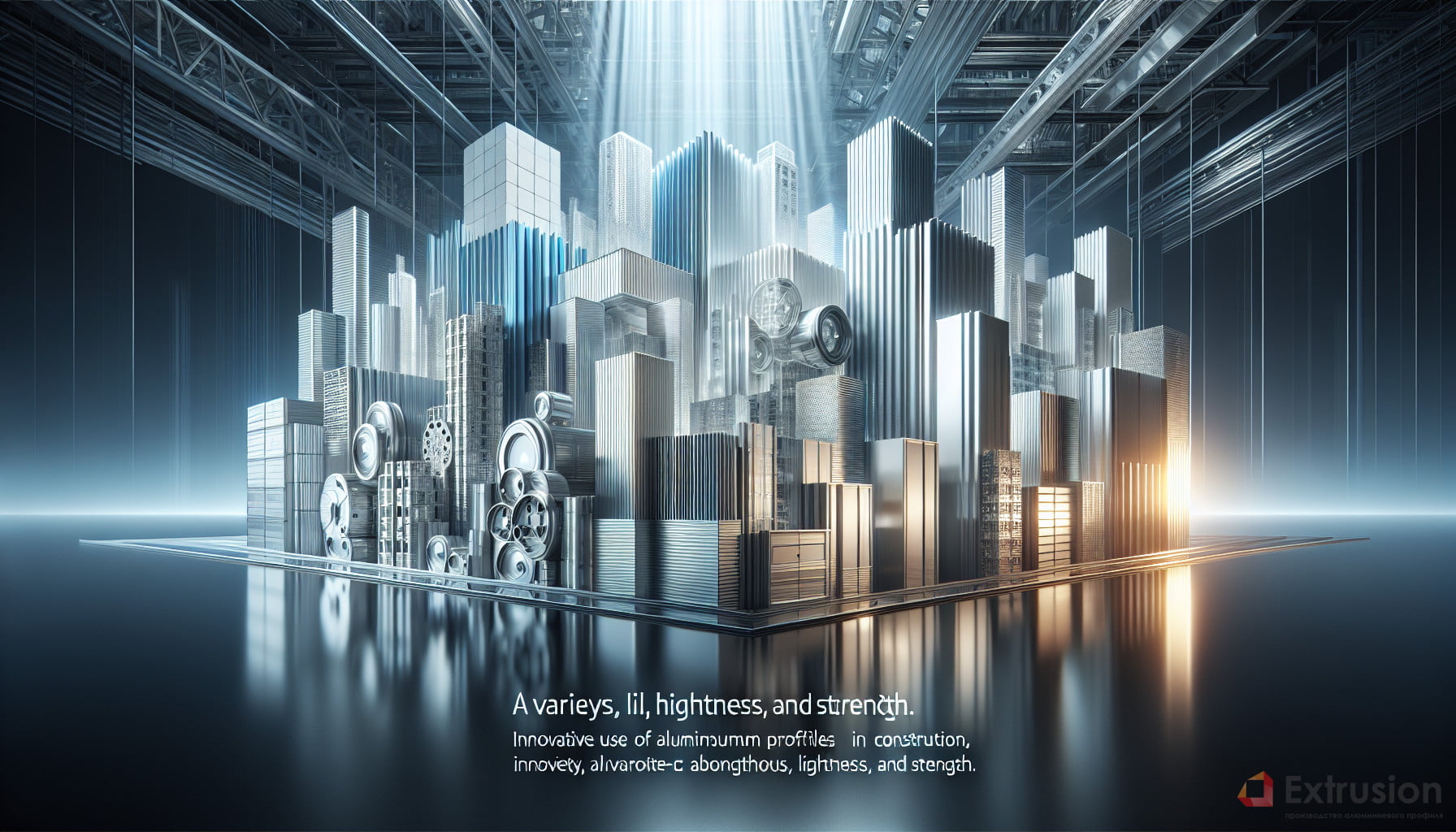
Aluminum profiles have a wide range of applications in construction due to their strength and visual properties. They allow you to create modern and aesthetic designs, provide a long service life and require minimal maintenance. Innovative methods of using aluminum profiles in construction continue to evolve, opening up new opportunities for architects and designers to create sustainable and modern buildings.